Mahasu Region
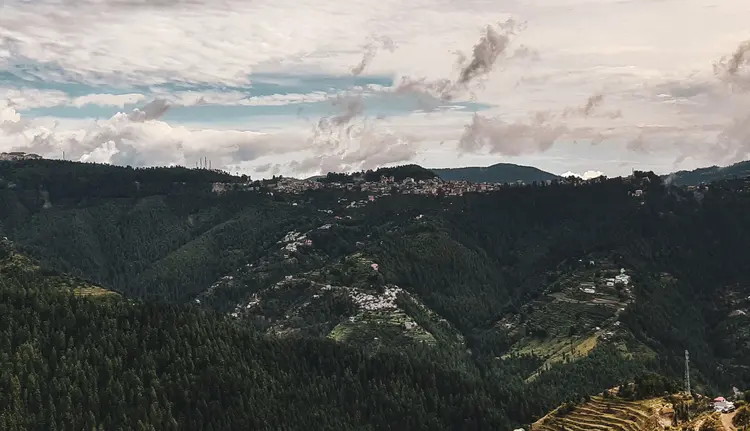
महासू रौ देश पाच्छलै हिमालय रा एक हौद खास़ सौस्कृति आळा तौईं भाषै आळा अ दैश ओ,ऐ हिमाचलौ प्रदैशौ रे शिमळै जिळै तौंईं उत्तरैखंडों रे जौनसारौं-बावरौं रे दैशौं रे किंयैं-किंयैं हिस्सै आपू साथै राखौं। ऐज़ै ज़ागा महासू रे दैओं (शिव) री तैईंक आपणै हौद पक्कै विशवासैं पां जौड़ै जमा पायै ओ जैईंरे नावै ऐ ज़ाणै जायीं तौईं इतैं रे हौत पराणै माछौं रा रौणा तौईं पहाड़ी महासू रे बौलैं ईथै रे एक जरुरै विशैषला ओ।
शुरूआत तौईं सौस्कृति रा ज़रूरी औसर
दैओं-दूशी:- ऐज़ि ज़ागै रौ नाऔ महासू दैऔ रे नाऔं गायै पौड़ों अ, महासू दैऔक रौक्षै रा दैऔ, नषाफ़ों रा दैऔं तौईं कूऴौं रा दैऔं (टाबरै/गौरौं रे दैऔ) रे नावै पूज़ा जायीं।
पौराणै कौथैं:- बज़ुरगैं कथ़ै बौलों महासू चार बायैं थै( बांथीर, पावसी, बशिक तौंईं चिलार), ऐ दैऔं इथैं रे माछों राक्षौसौं दो मुक्ति दैंणैण रे तैईंक जौनसारौं रे छौलों तौईं कुफ़रै रे टिरौं गायै तौंई ज़ागै-ज़गै दै आज़ै।
सौस्कृति रे पौराणै बातौं:- ऐज़ि ज़ागा आपणैं मैल-जौलौं, जानबौरों पाळौणै तौईं हिन्दूं पौराणै रिती रिवाज़ौ री तैंईक ज़ाणैं जायीं। पराणीं टैंई हौंन्दैं रीतिं रिवाज़ जु नैईं चौ़ड़ीदै, मानौ ज़ेरैं चारपायीं गाशै नैईं सूतणै, ना दूध पीणौ,ऐकि साबै दैखा जायीं तौ ईथै रे माछौं रे विशवासों रा ऐक जरूरी तौंईं बज़ुर्गैं हिस्सा ओसो।
ऐतिहासिक विकास
पौराणैं जौड़ौ:- महासूओं रा आपणौ दैश जौनसार-बावर ओअ ऐ 28 सिणै-खूंद ओअ(गांओं-गौर) बाटों गौओं अ जैंइरैं दैखरेख चार सैणैं ,जिनौक हामै चौंटू बौलू थै,कौरौं।
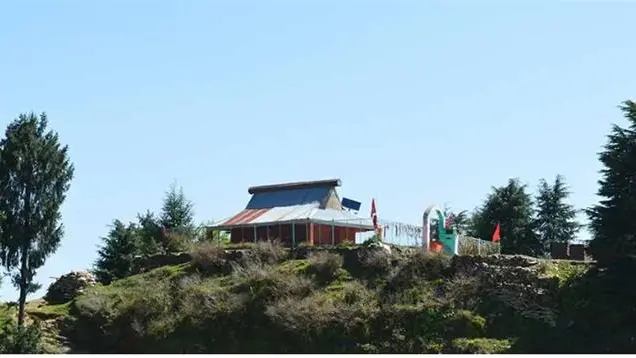
महासू मांदिर:- महासू दैऔं रौ बौड़ौं मादिंर हमौलों दो ओ, ऐ टौंस नौटों रे कनारैं बौणौं हौन्दौं अ। ऐ मौंदिर 9वीं सौदीयैं पराणै काठों- कुणैयैं(लाकड़ि-पात्थरै) रे जौरियैं स्थापत्य रे कारगौरौं रे तिरकै पां टैंओं ओअ।
रियासतै राज़ तौईं औंग्रज़ों रा राज़:- ऐ ज़ागा दैखै जायीं तौं पराणै इ जमानै दौं शिमलै पहाड़ै रियासतैं रा सौदै दों ई जरूरै हिस्सा था,जिन्दैं सिरमौर, जुब़ल, धरैच,तौईं रामपुर-बुशहर शामिल था। अऔगौलों- गौरखैं (1813-1815) रे जौध बासियै , ऐ ज़ागा औग्रज़ौं रे राज़ौ बिठका आज़ा,जबकि ऐंईं बासियैं बी ईथैं पारंपरायैं गायै, दौर्मौं गायै जागैं बौणदी ओ, गौटदै रोईं।
प्रशासनौं रौ इतिआस:-1948 दा महासू हिमैचौलों रा ज़िला टैंआ था। बासियै 1972 दौ पूनर्गठौनौं दै ऐंईरे किंयैं-किंयैं बाग वलग कौरैओं आज़ को सोलन ज़िला टैंओं।
भाषा तौंई मांछ
महासू पहाड़ी: महासू पहाड़ै( या महासुई) एक पशिचमी पहाड़ै भाषा ओसो, जैईं लौगबग 10 लाख माछ जौपौं। ऐ भाषा दू बौलि दै बौलै जायीं: निम्न महासू( बघाटी, क्यौंथळीं) तौईं उच्च महासू ( रामपूरै, रौहड़वै, सौदोची)।
बौळी: एज़ि बौलैं सिरमौरै,जौनसारै,तौईं बंगानै भाषै दो मैल खाओ।
लिपि: पराणै साबै ऐईंरे टांकरै लिपी(कोची) दै लिखै जायीं, पौर आज़ क जमानै ऐ देऔनागरे लिपी दी ई लिखी जायीं।